Category: Guest Columnist

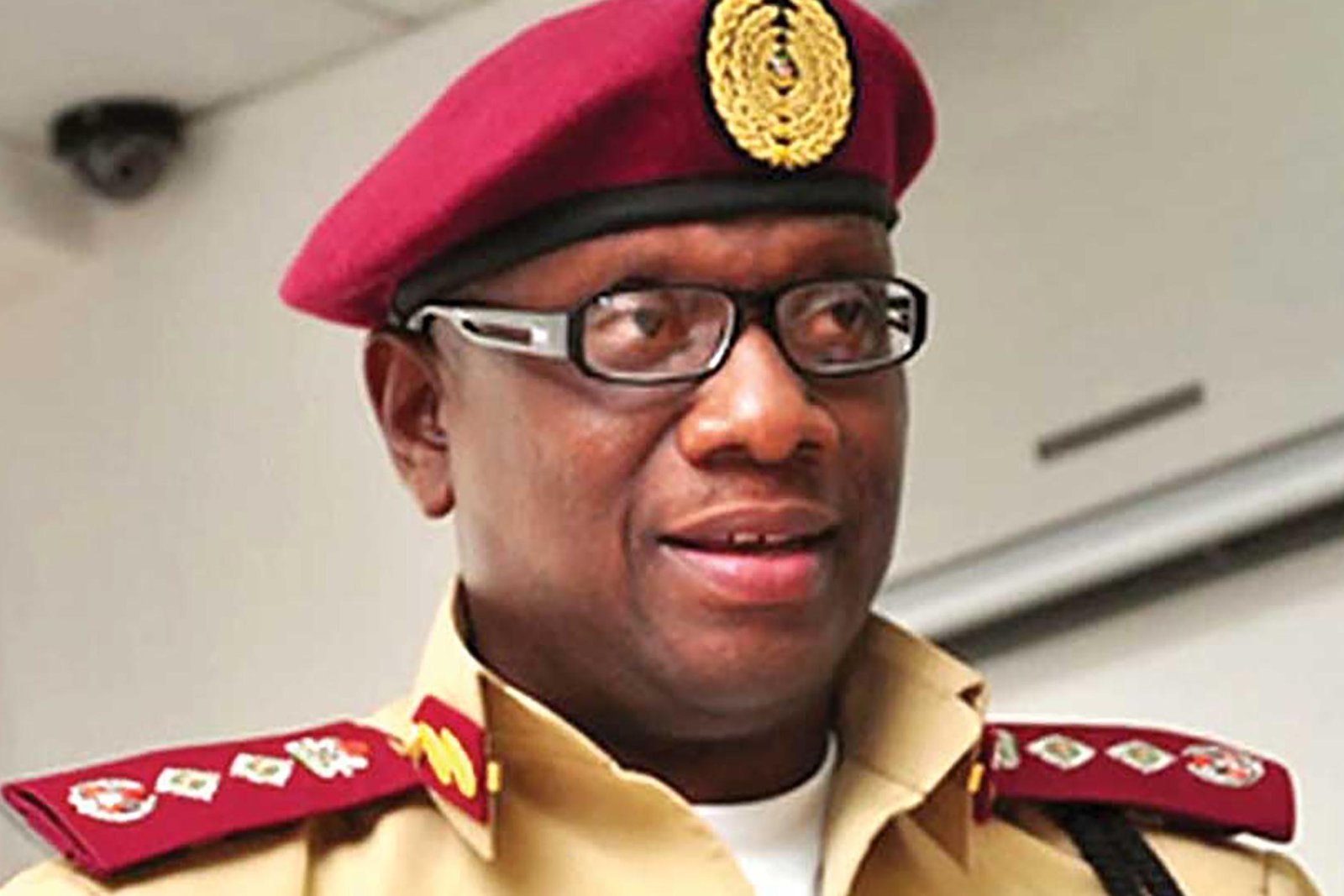
  • Corps Marshal Boboye Oyeyemi: Exit Of An Icon From FRSC, By Bisi Kazeem

    Corps Marshal Boboye Oyeyemi: Exit Of An Icon From FRSC, By Bisi Kazeem

    When he was appointed as the first internally groomed Corps Marshal of the Federal Road Safety Corps (FRSC) by former President Goodluck Jonathan on July 23, 2014, the emergence of Dr Boboye Olayemi Oyeyemi was celebrated widely, not only among the staff of the Corps but also among stakeholders and members of the public, who were conscious of developments within the Corps.

    The wide jubilation that heralded his appointment was borne out of the long expectations of the people that a competent officer with full understanding of the vision and mission of the organisation got the opportunity to manage the elite Corps that had earlier earned public trust and got certified with the global certificate of standardisation, otherwise referred to as ISO 9001:2008, for sustained improvement.

    Prior to his appointment, Oyeyemi, who was one of the few founding officers of the Corps, had gained wide ranging experiences spanning all the major departments and commands of the Corps, all of which he excelled in managing without blame.

    With his robust background in operations, motor vehicle administration, training and policy, research and statistics, which he managed with excellence, all eyes were on the Federal Government to give him the opportunity to showcase the leadership skills he had learnt over the years under successive Corps Marshals.

    His emergence was, therefore, not surprising to all those interested in the growth and development of the Corps.

    Interestingly, he did not disappoint the people as he hit the ground running after his swearing in by the former Secretary to the Government of the Federation, Senator Anyim Pius Anyim in the conference hall of the SGF’s office.

    An advocate of policy continuity, Oyeyemi had no difficulty in recognising the need to uphold and build on the policy direction taken by his predecessor, Chief Osita Chidoka, who had earlier been appointed as a minister and member of the Federal Executive Council.

    He announced his management ideals during his maiden strategy session with the principal officers of the National Headquarters and Zonal Commanding Officers, when he stated that the principles of his management would be anchored on the tripod of Consultation, Reward and Punishment (CRP), an acronym for the use of carrots and sticks in managing the affairs of the Corps.

    As a versatile computer user, Oyeyemi not only promoted the digitisation policy of the Corps, but took it to the next level, thereby widening the scope, usage and accessibility of computers among the generality of the Corps in the last eight years that he was saddled with the responsibility of leading the organisation.

    Having successfully spent his two tenures at the topmost office of the Corps and is graciously bowing out, the questions on the lips of many anxious Nigerians are, what did he do differently that he could be remembered for by the coming generations?

    Here, we must point out, first and foremost, that the unprecedented levels of recruitment that he secured from the Federal Government within the years has, no doubt, raised the number of qualified personnel available to carry out specialist and general duty assignments that have significantly improved the presence and visibility of the Corps across the nation’s highways.

    His policy of ensuring effective management of the wide network of road nationwide has led to the introduction of Corridor Commands and Station Offices, which have made the presence of the FRSC in all the nation’s 774 local governments possible for collective ownership of traffic management, as envisaged by the Road Safety Strategy initiative.

    Concerned with the poor office accomodation and dilapidated nature of most of the structures occupied by the Corps on rental basis across the states, the Oyeyemi-led management vigorously pursued the policy of constructing permanent office accomodation, most of which have been commissioned across states in the six geopolitical zones of the country.

    This has created opportunity for modern and permanent office structures owned by the Corps.

    Towards ensuring a happier and more productive post service life for staff, the last man standing unveiled project 20,000 staff Housing Scheme to make house ownership easier for all staff of the Corps, while we brought into existence FRSC Post-Service Scheme (PSS) to help members of the Corps save for retirement before the retirement benefit/pension are paid.

    Furthermore, the aggressive pursuit of the policy of fleet renewal by his management has led to the procurement of an unprecedented number of operational vehicles, tow trucks, ambulances, administration vehicles and other rescue equipment, the largest ever secured by any management in the 34 years of the Corps’ existence.

    As an organisation built on the ingredients of knowledge, the FRSC management under Oyeyemi paid special attention to staff capacity development programmes through which opportunities for local and foreign trainings were offered to all cadres of staff.

    Further to this, various institutions of learning aimed at developing the intellectual and road traffic management expertise of the Corps were not only established, but some upgraded to make it possible for them to offer advanced knowledge and certification.

    To this end, the FRSC Academy, Udi, Enugu State was upgraded as a centre of excellence for the study of road safety and it was affiliated with the Federal University of Technology, Owerri for the award of post-graduate degree programmes in Transportation Management.

    His management has been able to successfully negotiate and took delivery of an ultra-modern Inspectorate Training School, Owa Alero in Delta State, through the benevolence of the government and people of Delta State.

    In addition, he has been able to negotiate and secure the agreement of Plateau State Government to build the Road Marshal Assistant Training School in Shendam, Plateau State, where work is already at an advanced stage.

    And in his commitment to the career development of staff, which aligns with the policy of rewarding excellence, the yearly promotion exercise has continued to be observed in the last eight years of his management, thereby creating opportunities for the upward movement of staff, in line with available vacancies and strict adherence to the provisions of the federal character principles.

    More to the above, Oyeyemi developed transformational initiatives focused on People, Processes and Technology (PPT), which is why today not only does its staff pride as the most disciplined but the Corps stands out as the best Information Technology (IT) driven organisation in Nigeria, with its robust data base and over 95 percentage digitalised administrative and operational procedures.

    His administrative ingenuity that led to the deployment of FRSC personnel to Tank Farms has, to a large degree, dwindled the rate of crashes associated with articulated vehicles, particularly tankers carrying petroleum products.

    Through its Safe-to-Load initiative, articulated vehicle have been subjected to checks before they are allowed to load from the various depots across the country, with trained personnel of the Corps undertaking routine checks to ensure strict compliance.

    Meanwhile, the need for constant education and enlightenment of road users and members of the public on road safety matters, as well as conditions of the roads as they move out everyday, led to the establishment of the National Traffic Radio (107.1 FM), Abuja.

    In the same way, the quest for improved service delivery in the licensing system of the country has led to the establishment of additional Print Farms in the country, while his management has given impetus to the operational performance of the Corps through the establishment of the operations monitoring and control centre, procurement and deployment of body cameras and establishment of the Drivers Proficiency Center at Inspectors Training School, Owa Alero, in conjunction with the Delta State government.

    The Corps, on his watch, has successfully strengthened inter-agency cooperation with relevant stakeholders such as the National Identity Management Commission (NIMC), National Bureau of Statistics (NBS), Nigerian Customs Service (NCS), all military and paramilitary organisations and banks in Nigeria, with evident success in inter-agency collaboration and harmonisation of data for national development.

    Again, it is noteworthy to look at the direction of his leadership’s swift response to the incessant abuse of traffic rules, which led to the putting together of the OPERATION COBRA to address certain life-threatening and traffic-related offences.

    Offenders arrested by the Operation Cobra squad are usually referred to a government health facility for the Emotional Stability Test.

    This step has entrenched compliance and safe road use within the operational areas where the Cobra squad operate.

    The subsequent introduction of the body camera by patrol teams will no doubt increase the desire for transparency and evidence-based operations that could enhance public trust in the Corps.

    This will not assist in curbing violence and illegal transaction by personnel while on the highway, but will lend credence to the anti-corruption stance of the Corps.

    The feat achieved by the FRSC in the last eight years of the Oyeyemi management has led to various local and international recognition and awards that have placed Nigeria’s FRSC as the best example of a road safety lead agency, which other governments in developing societies are encouraged to emulate by replicating it in their countries.

    And with more investments through increased budgetary allocation, as well as private sector intervention under the Corps’ partnership initiative and drives, there’s high expectation that the message of road safety will reach a great number of people and would impact more on the driving culture of the people towards the envisaged attainment of the goals of a safer road environment in the country.

    Nigerians who are conscious of the positive developments that have taken place in the Corps in the last eight years under the Oyeyemi-led management are no doubt convinced that that FRSC has reached a point where its capacity would be able to satisfactorily tackle the challenges of traffic management and safety administration in the country, such that road traffic crashes would not necessarily lead to death.

    And as he bows out gracefully after a successful sojourn in the FRSC as the last founding officers who has seen the growth and development of the Corps in the last 34 years, eight out of which he spent as its head, the common refrain is that, Dr. Boboye Oyeyemi maybe retiring, but he should not be tired of rendering his services to the nation in whatever areas his expertise would be demanded, even in retirement.

    By so doing, the country would stand to continue to derive from his wealth of experience in tackling some of the socioeconomic and security challenges bedvilling it and truncating its march to development.

    Bisi Kazeem, an Assistant Corps Marshal, is the Public Education Officer of the Federal Road Safety Corps (FRSC).
  • Buhari: Something To Remember Me By

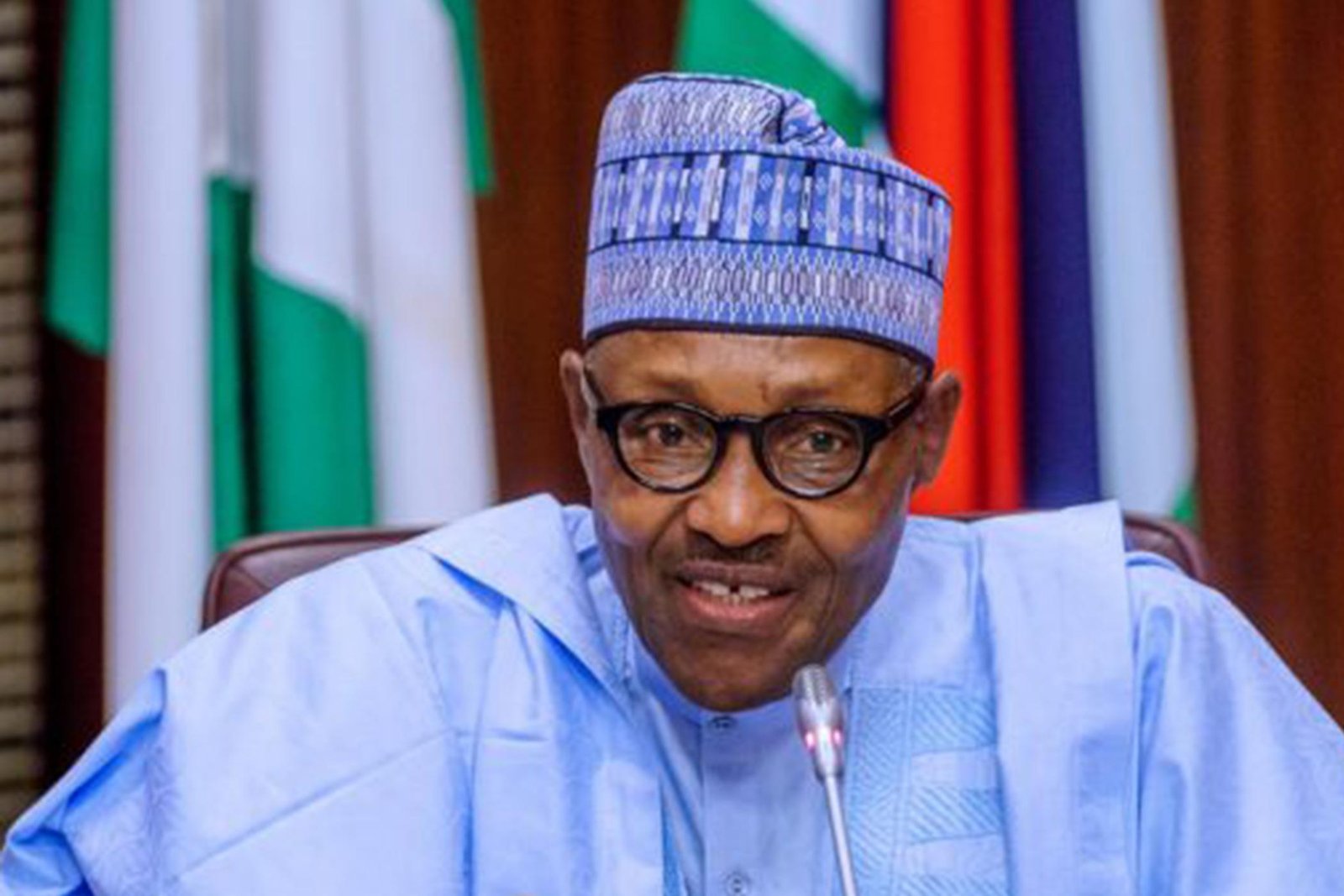
    Buhari: Something To Remember Me By

    Some people would wail about anything and everything in the country, particularly if it comes from President Muhammadu Buhari.

    Early in the week, that honest and forthright man said it was tough leading the country (is it not?), and he was looking forward to finishing his second term next May 29.

    The President’s words: “I am eager to go. I can tell you it has been tough. I am grateful to God that people appreciate the personal sacrifices we have been making.”

    Forthright. Straight to the point. Leading Nigeria at the best of times is no tea party. A very complex country, if ever there was one.

    And leading at a time of severe socio-economic challenges can only be a yeoman’s job, a burden you would want to be gladly rid of. Rough. Tough.

    The wailers have been into different kinds of paroxysms, misinterpreting what the President said, twisting, contorting it, and asking him to resign.

    They abhor all manner of truth.

    They would have preferred a President working surreptitiously for a third term in office, than one deadpan enough to tell them he was leaving at the appointed time.

    But that is just by the way. It’s not the issue at stake this week.

    Rather, we want to talk development, and some recent strides by the Buhari administration, particularly through the Works and Housing Ministry, led by Babatunde Raji Fashola SAN.

    There’s a struggle going on in the country.

    The tussle over how the Buhari government would be remembered.

    Revisionists want him to be pedestaled by just the insecurity ravaging the land, which has made life nasty, brutish and short.

    Yes, we agree that the insecurity is from the bottom of hell, fiendish, Luciferous.

    But then, it is not peculiar to Nigeria, though it is the duty of government in every country to solve its peculiar challenges.

    And the economic problems?

    Also global, with countries like America, United Kingdom, and many others recording worst indices in about 40 years.

    But the wailers close their eyes and ears to things happening in other parts of the world. Buhari, Buhari, Buhari, they continue to chant.

    In the midst of all the humongous challenges, however, development continues.

    You have heard of the big ones: Second Niger Bridge. Loko-Oweto Bridge. Bodo-Bonny Road. AKK pipelines. Abuja-Kaduna-Kano Expressway. Lagos-Ibadan Expressway.

    And many others in advanced stages of completion, and due for commissioning before the administration exits next year.

    But let me tell you about some others that were commissioned recently, showing that President Buhari would not just be signposted by insecurity, as crucial and vital as security is to everything else. He continues to work, while trying to also secure the country.

    Check out recently inaugurated roads and housing projects, all done despite massive challenges facing the land: Efon Alaye-Erinmo-Iwaraja Road in Ekiti State.

    Isoko Ring Road in Delta. Hadejia-Nguru, Phase 11, Jigawa. Gombe-Numan-Yola Road, Phase 11. Nguru-Gashua-Bayamari Road, Section 11, Lafia-Obi-Awe-Tunga Road, Nasarawa State.

    Nnewe-Uduma-Uburu Road Sections 1 and 2, Enugu State. Vandekiya-Obudu Cattle Ranch Road. Sokoto-Tambuwal-Jega-Kotangora-Makera Road.

    National Housing Program Phase 1, in Imo State. At least 76 federal tertiary institutions have benefited from FG’s road projects. Same for the Neuropsychiatric Hospital, Aro, in Ogun State.And more…

    This time has been dubbed Season of Completion, Commissioning and Impact, by the Works and Housing Ministry. And Minister Fashola is working his talk. Wait till you see the Second Niger Bridge in its splendor and magnificence by October.

    At least 228 housing units have been completed in Kaduna, Sokoto, Kogi, and Osun States, among others.

    The work continues, till the very last day of the administration. It’s all about service to the country and her people.

    For President Buhari, as Alice Cooper sang in ‘Something to Remember Me By,’: “Something to remember further on down the line, Something to remember me by, Bye-bye.”

    And wailers and revivers will not win with their false narratives. They can’t.

  • Barkindo’s Final Words To Me

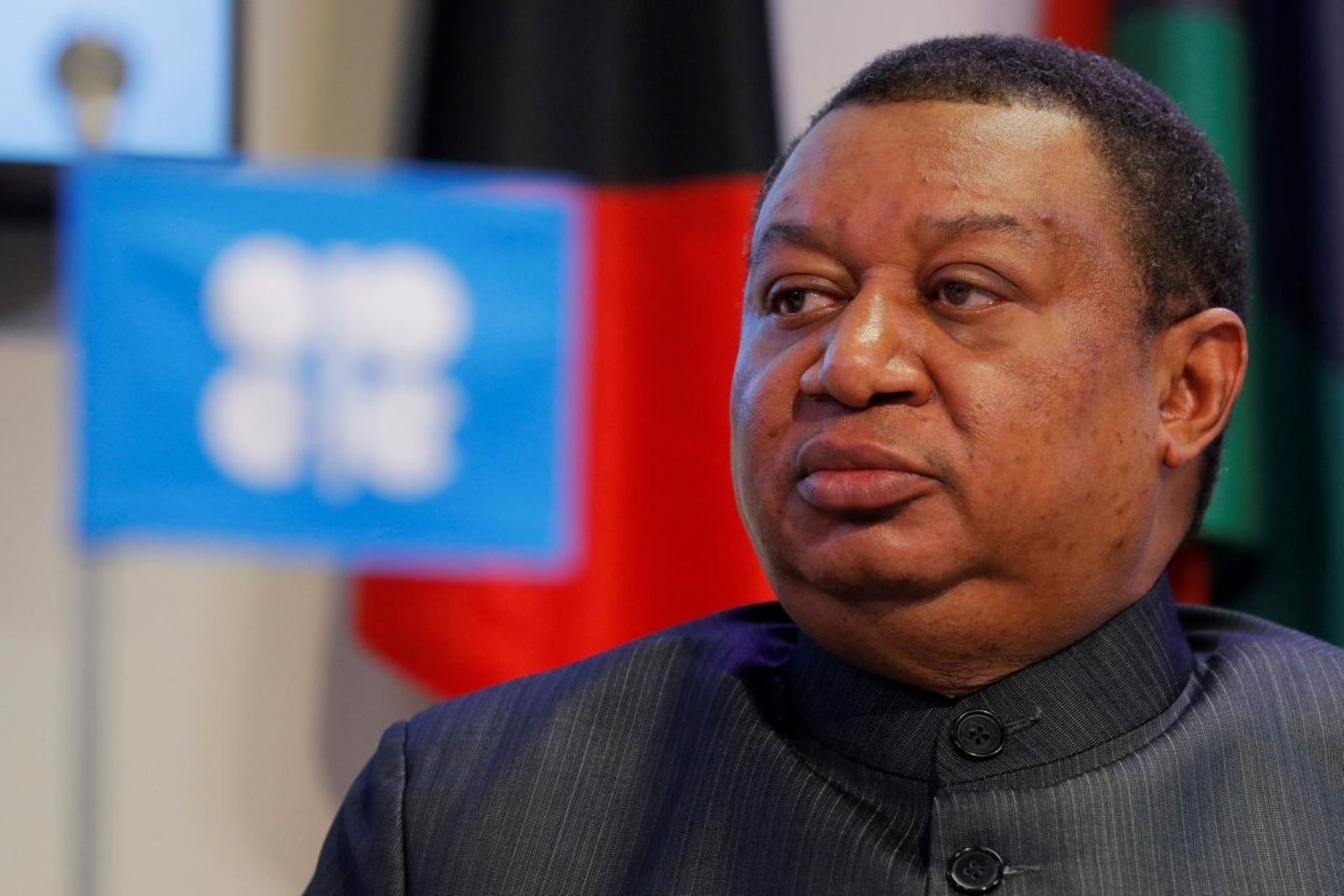
    Barkindo’s Final Words To Me

    Here today, gone tomorrow is a common saying.

    But with the then outgoing Secretary-General of the Organisation of Petroleum Exporting Countries (OPEC), Alhaji Mohammed Sanusi Barkindo, it was here in the morning, gone at night.

    On Tuesday, July 5, 2022, President Muhammadu Buhari had a schedule by 10 am to receive Barkindo, the OPEC scribe who was rounding off his tour of duty after six years.

    We started congregating in the council chamber, venue of the meeting, from about 9.30 am. Barkindo came with two of his sons, and some members of the OPEC Secretariat.

    Bigwigs of the oil industry, led by Timipre Sylva, Minister of State Petroleum Resources, GMD NNPC Company Limited, Mele Kyari, and other top shots were equally on hand, to be part of the tribute to a true Nigerian son, who had made the country proud both at home and abroad.

    I was Master of Ceremonies, and Barkindo sighted me from afar, behind the podium, before the event started.

    He got up from his seat, and strode briskly towards me.

    We had known each other since between 2009 and 2010, when he had served as Group Managing Director of the NNPC.

    All our meetings since then had always been genial, convivial. Just last December, he had sent me end of the year gift all the way from Vienna, seat of OPEC.

    I came from behind the podium to receive Alhaji Barkindo.

    We shook hands, and he thanked me for what he called the good works I’d been doing “for President Buhari and for the country,” praying that God would reward me.

    I said amen, congratulated him for a successful tenure at OPEC, and gave best wishes for the future.

    But there would be no future beyond that day, at least not on this side of the divide.

    However, it was unknown to me, to Alhaji Barkindo, and possibly to everyone in that chamber at that time.

    At the dot of ten (he rarely misses it), President Buhari strode in.

    And the event started.

    We took the National Anthem, and I invited Minister Sylva to give the introductory remarks. He thanked the President for the support he gave Barkindo to be OPEC scribe, and recalled how he helped the man to succeed during his tour of duty.

    Next to speak was the outgoing scribe himself.

    He had always been a corpulent person, but was he looking a bit trimmer? I didn’t dwell too much on it.

    As you grow older, you tend to shed some weight. He was looking very well kept, and that was all that mattered.

    Barkindo spoke passionately, straight from the heart, thanking the President. Whoever knew it was an au revoir at that time.

    “Mr President, Excellencies, distinguished colleagues from the oil fraternity. I am deeply humbled by this audience you are giving me today, with my colleagues from the OPEC Secretariat, and my compatriots in the oil community in our dear country.

    “Mr President, may I say it’s honor of a lifetime for you to have given me the opportunity to serve as OPEC Secretary-General Number 28. I’ll forever remain grateful.

    “I recall vividly that when I assumed office in the summer of 2016 in Vienna, oil prices had dropped to below ten dollars per barrel. It was very obvious to me that it was beyond OPEC alone to handle. I recall that I consulted with you on telephone, and I benefited, indeed, drank from your deep knowledge of OPEC affairs. And we were able to steady the oil market.

    “Throughout the period I served, I benefited from your tremendous goodwill. Everywhere I went in this world, both within OPEC and outside, the first person that Presidents, Prime Ministers, Kings ask for is you. They say, how is my brother, President Buhari? I, therefore, benefited from this charisma of yours, the international gravitas you have, and it made my job much easier.

    “I try to follow your large footsteps. And the future looks very promising.

    “On behalf of OPEC, I thank you very much. I wish you good health, long life, and continued service to humanity.”

    It’s honour of a lifetime, he said. Did he know that the life was ebbing out, indeed, to terminate that very day?

    I’ll forever remain grateful, he also said. Did he know that forever was just at the door, and about to knock?

    Oh, this world is fleeting, ephemeral, will-o’-the-wisp. What is man that thou art mindful of him? Man, whose breath is in his nostrils, the Good Book says.

    We are as good as that breath in our nostrils. When it ceases, we are done, gone, across the bridge, to eternal life.

    If only we are conscious of this daily. But as human beings, we often forget, and live as if it would last forever.

    But the masquerade festival always ends, no matter how long it lasts. Therefore, whether it’s long or short, let’s make our life matter.

    Barkindo did, and it ended at 63. He now rests, after what Shakespeare calls“life’s fitful fever,” where we are like actors on a stage, and we have our entrances and exits.

    President Buhari applauded Barkindo’s service to Nigeria and OPEC.

    He then directed stakeholders in the oil industry to organize a befitting reception to welcome him home.

    The directive was followed by massive applause. But it won’t happen. He won’t need it now.

    We dispersed from the event, full of joy.

    The honoured guest spoke at another oil and gas event in Abuja later that day. And by 11 pm, he bade the world goodbye.

    Out in a blaze of glory.

    Rest, they say, is sweet after labour. Barkindo had a lifetime of work.

    He was poised to have his due rest. But the rest became eternal.

    He has been laid to rest in his native Yola, Adamawa State.

    May God grant him Aljannah Firdaus. Amin.

  • It’s Okay To Be DisObidient

    It’s Okay To Be DisObidient

    In a colourful quest to be Nigeria’s next president, former Governor of Anambra State, Mr. Peter Obi, is adding a scene to an election that is already a thriller.

    He is not just a participant in the process, but someone hoping to become an unlikely hero.

    Through novel approaches to campaigning, the former governor not only adds style and innovation to organising and mobilising, he is running in defiance of accepted political logic with the expectation that enough Nigerians would be swayed to vote a third party to federal power.

    Obi is enriching democracy in Nigeria by appealing to mostly educated and young people who are otherwise numb and inactive.

    It is a different matter to inquire if he will get them in sufficient quantities to make a dent.

    For those who have subscribed to his movement, now popularly called the “Obidient,” the former Anambra Governor is the obvious, if not the only, choice.

    Burning with passion, his followers urge everyone to fall in line by being “Obidient.”

    If we ignore the fact that the idea of obedience is a paradox to politics, the truth is that Obi is winning hearts and minds and forming an active band, who will do anything to provide him the support that he needs to challenge the behemoths.

    Messrs. Atiku Abubakar of the PDP and Bola Tinubu of the APC, who Obi is contesting against, are so rich and connected nationally that for him to succeed, he needs a large and devoted support base.

    Some people that I respect in my social media circle have already fallen in love with Obi, and they are pumping all kinds of content through the social pipeline, where the candidate thrives the most.

    They suggest repeatedly that the messiah is not only here, his opponents are the devil.

    Their cadence is that of the convicted.

    Although I desperately wish the two major political parties would be upstaged in 2023, I happen to see Obi as part of the problem, rather than the solution

    Once circumcised, the adherents see only one way to save Nigeria and only one man as its archangel.

    One of the subtle call-to-action strategies of Obi’s followers is that failing to be “obidient” is tantamount to ethinic bias or lack of commitment to good governance.

    Sorry to say, I neither share their kind of enthusiasm nor conclusion: Obi is not the messiah.

    This has nothing to do with the politics of tribe, religion and class that has been used to great effect to under-develop Nigeria.

    Although I desperately wish the two major political parties would be upstaged in 2023, I happen to see Obi as part of the problem, rather than the solution.

    The suggestion that if you have a strong inclination towards good governance, are against corruption and strive for a free society, you cannot be against Obi’s candidacy amounts to blackmail.

    To be put in a position where you have to be defensive about is crude and undemocratic.

    And to have to be told that if you are not for Obi, then you are for Tinubu or Atiku is faulty.

    The strength of Obi’s appeal should be his ideology and vision for Nigeria.

    Adding any shade to these requirements discolor his campaign.

    Peter Obi does not cut it for me because he is a product of the same system that his supporters think he is against.

    That is why, as I will conclude later, he was already disfigured before coming out in the PDP with his ambition.

    One month ago, Peter Obi was in the PDP where he was set to leverage his capital by becoming its flagbearer.

    He just didn’t happen to be rich enough to buy as many delegates as his opponents.

    It was obvious he would be crushed.

    Had he more money than Atiku, he would have remained in the PDP and adopted every rule of the putrid party he had been a member of since 2014 in a bid to become president.

    Just because he saw his weakness and transferred the same corruption that he helped to nurture in the PDP when he was Atiku’s running mate in 2019 into the Labour Party does not suddenly translate Obi into a Kantian politician.

    Peter Obi’s candidacy in the Labor Party, a party that he joined just days before his ascendancy as their candidate, has not made him a saint.

    There has been no major transformation.

    The governor’s emergence as the presidential candidate of the Labour Party – all within a weekend – not only ridicules democratic ethics, but presented evidence that he bought people out.

    If anyone thought Obi is less corrupt than Atiku and Tinubu, they may be right.

    But being less corrupt is not what Nigeria needs.

    What we need is being completely free of corruption.

    The manner in which his opponents stepped down only happens in Nigeria when money has changed hands.

    Anyone naïve enough to believe that Obi did not buy the candidacy in the Labour Party needs to come to me for an investment idea to buy the London Bridge.

    And I am not siding with any candidate just because he or she is less corrupt, less influenced or less likely to do wrong.

    The same reason I am not gravitating towards Bola Tinubu of the APC and Abubakar Atiku of the PDP is why I am not in love with Peter Obi of the Labour Party – they are all products of a repulsive political habitat.

    I have no problem with Obi riding the discontent among the young and the educated.

    His populism is alright. What is repugnant is the attempt turn him into a saint.

    Nigeria does not need a one-eye blind in the land of the blind.

    What we need is a thoroughly clean politician who will act upon his convictions to drive real change.

    Absolute trust in Obi to rid Nigeria of its most serious virus – corruption – cannot be confirmed when there are records that sow doubt about his values and motives

    Nigerians should not settle for any politician who is contextual and situational, but look for someone who acts the same way regardless of time, circumstance or challenge.

    Peter Obi was ready and willing to dine with evil spirits until he saw satan.

    Obi’s records do not put him on the platform on which he is trying to preach.

    His supporters’ tracts about rightness and morality are disgusting.

    He has yet to give a convincing response to allegations of secret and illegal offshore activities revealed in the Pandora Papers.

    The Pandora Papers, a project of 600 international journalists, alleged that Obi set up shell companies overseas in violation of the Code of Conduct Bureau laws in Nigeria while operating a foreign account as a governor.

    Obi could only reply he acted on legal advice on his investments while confirming he actually stashed money abroad.

    That is not good enough for someone trying to mount a high moral ground.

    There are other questions.

    His exaggerated claims of investment sagacity on the purchase of the stock of
    International Breweries Plc with state funds have been found to be just that – an exaggeration.

    The investment shrank over time.

    I am not really certain that there is any evidence to suggest that Peter Obi will be better than the other rotten ones as a president.

    He’s a roll of the dice.

    Just talking the talk is insufficient to assume he will walk the walk.

    Absolute trust in Obi to rid Nigeria of its most serious virus – corruption – cannot be confirmed when there are records that sow doubt about his values and motives.

    That is why, for any Nigerian who is skeptical, who wants more and who demands the best, it should be perfectly okay to be “disObidient.”

    I am still searching for the real deal.

  • Warning Shots From Kigali

    Warning Shots From Kigali

    On the sidelines of the 26th edition of Commonwealth Heads of Government Meeting (CHOGM) holding in Kigali, Rwanda, President Muhammadu Buhari and his team Thursday morning visited the Kigali Genocide Memorial, which is one of the monuments in memory of about a million people that were killed in the 1994 pogrom.

    The Hutus had in 100 days of rage and madness embarked on ethnic cleansing of Tutsis, and the country nearly died.

    Hatred, malice, evil hearts almost despatched Rwanda to kingdom-come.

    Between April 7 and July 15, 1994, minority Tutsis were systematically eliminated by ethnic militias, and some renegade soldiers and policemen.

    Hell really came down, and made its abode in the Central African country.

    Tutsis were killed in cities, towns, villages, in their homes, in churches where they had huddled for refuge, in schools, everywhere.

    And to make matters worse, the victims were killed by people who had been their neighbors, family friends, and allies.

    A Hutu pastor reportedly killed hundreds of his church members who were Tutsis, while husbands killed wives, simply because they were not of the same ethnic stock.

    At the site we visited, 250,000 lay buried, about one quarter of the number that died.

    Some moderate Hutu and Twa people were equally murdered. Hatred boiled over, and that was the result.

    We have always warned about hate speech that is rife in our own country, Nigeria.

    You hear it from so-called bishops, imams, talk show hosts, phone-in programs on radio and television, anywhere, and everywhere.

    I had written before that if Nigeria dies, it is hatred that killed her.

    And our pastors would not be innocent.

    Nor the imams, and everyone that trades in hateful language against government and other ethnic groups.

    Those things pile up continuously, till it boils over, and cascades on an entire country. The heinous crimes we see in the land today cannot be entirely divorced from hateful and incendiary speeches.

    The tour of the Genocide Memorial took the whole of one hour and five minutes.

    You start from a video account from survivors, who recounted the gory way in which fathers, mothers, siblings, children were slaughtered, and how they were lucky to be alive. Sad. Dolorous.

    And then we moved to the burial place of the 250,000 victims. A pensive President Buhari lay a wreath there.

    Then to a pictorial excursion of the history of Rwanda.

    They had once been a happy, united people before colonial rule came. They had their monarchical system, and the fissures among them were not emphasized.

    The monarchy was abolished, the country suffered instability and the differences between the people became prominent.

    The Hutus began to see themselves as superior beings, a kind of Aryan supremacy as espoused by Adolf Hitler.

    There were killings in the 50s, 60s, 70s, till things first degenerated into a civil war, and genocide in 1994.

    Come and see skulls of the dead.

    In many hundreds. Bones that were exhumed and preserved. In many thousands.

    Pictures of the dead, adults and children, men and women, in their thousands.

    Clothes and personal effects of the slain. All kept for posterity to see. It was man’s inhumanity to man at its worst, result of hatred, malice, evil hearts, ill will.

    Let us carry those bishops and pastors who spew hatred from the pulpit, and bring them to the genocide museum.

    And the imams too. Maybe they will ‘lend themselves some brain.’

    And the TV and radio hosts, who make snide, hateful remarks, and allow their guests to do the same. That was the same road Rwanda trod, and genocide was unleashed on the land.

    The media is said to have played a huge role in the genocide, lending itself to being used to denigrate the Tutsis.

    Till things boiled over. One Hassan Ngeze is on record to have written in a newspaper he owned and edited, about the Tutsis: “Let whatever is smouldering erupt.”

    Some broadcasters said on radio: “The graves are not yet full…Go to work.”

    They instigated the deaths of thousands of people.

    Happily, two of them are today cooling their heels in jail, serving life terms. Others are serving equally stiff sentences.

    Hate speech, or hate media is an ill wind that blows no good.

    Haters in Rwanda sowed the wind, and reaped the whirlwind. We need to watch it in our country, too. It can happen anywhere, unless we take care.

    Permit me to recall some of the things I said in an earlier piece, with the title, If Nigeria dies,hatred killed her:

    What a week it has been for our own dear native land!

    Just at the beginning of the month, as the country turned 60 as an independent entity, President Muhammadu Buhari had charged us to “begin sincere process of national healing, eliminate old and outworn perceptions that are always put to test in the lie they are.”

    Some people call it ‘the mistake of 1914,’ in which what used to be the Northern and Southern Protectorates were forcefully cobbled together by the colonial masters, leading to the emergence of Nigeria.

    Since then, it has been one uneasy relationship among the people that make up the Union.

    Suspicion of domination, ethnic rivalry, fear of being given the shorter end of the stick, gaining unfair advantage, and the like, have characterized the relationship.

    And the overriding sentiment is hatred, fueled and justified by many factors and tendencies.

    If Nigeria dies, whether now or in the future, hatred killed her.

    How can a people go about, bearing giant-sized grudges against their country, its leadership, against one another, and expect that country to live in peace and prosperity?

    It won’t happen. “When we don’t know who to hate, we hate ourselves,” observed a writer.

    The EndSARS campaign began as an agitation against police brutality, in which there was unanimity of purpose. And suddenly, it became a vehicle of hate.

    Against leadership, against national cohesion, an opportunity to settle political scores, and equally prepare for power grab in 2023. Hatred came into the mix.

    The agitation by youths against injustice and oppression suddenly took on a variegated nature.

    Separatists came under the umbrella, and began to advance their cause, working for the dismemberment of the country.

    Those beaten black and blue in 2015 and 2019 elections also crept in, and asked for pound of flesh, while also plotting for a return to power in 2023.

    The venom, which peaceful protests eventually became, can only be summed up by one word. Hatred.

    How can you begin to club people to death, in different parts of the country?

    How can you set fire to national assets and institutions, storm prisons and release prisoners into society, all in the name of peaceful protests?

    No, peace had fled through the window, and hatred was fully in control.

    There are many factors and agencies of hatred in Nigeria, and until we learn to purge ourselves, the country may never move beyond where it has been pirouetting and gyrating for six decades.

    Like the macabre dance, it has been one step forward and two steps backwards.

    Hatred is evinced from many quarters for Nigeria, and for its government and people at any given time.

    It comes from churches, mosques, professional activists and agitators, interest groups, some elements in the media, so-called analysts who never see anything good, and so on and so forth.

    When things boil over in graphic demonstration of hatred, it is a culmination of negative sentiments and tendencies.

    They come in persistent negative postings on social media, which generate and stimulate hate.

    From hateful messages from the pulpit, as if that was the message of love Jesus Christ handed over to his followers.

    From unduly critical messages during jumat services. From radio and television programs, in which bile is spewed.

    From talkshows which become a harangue of government, newspaper articles and columns tailored to instigate and generate dissent, and the like.

    “I have decided to stick with love. Hate is too great a burden to bear,” said Martin Luther King, Jr.

    But not for some Nigerians who have decided to hate their own country.

    They perpetually stoke the embers of malice, discord and discontent.

    They bear a heavy burden, which they carry around everywhere, being grumpy, caustic and perpetually driven by ill will.

    Hatred is a poor prop for anyone to lean on.

    But to those malicious souls, the more malice they generate for their country, the better they feel.

    They may carry fancy religious titles, or parade as activists, analysts or newspaper columnists, but what they are is really simple. Hate mongers, and one day, they may ensure that Nigeria dies.

    Not of old age or other natural causes, but of hatred.

  • Buhari’s Footprints

    Buhari’s Footprints

    We are winding down.

    In about 11 months, the Muhammadu Buhari administration will be done. So we are ticking off the days.

    Right is the Good Book when it says “for here we have no continuing city, but we seek one that is to come.”

    Even if the tenure is 20 years, it will still end. We must all live with that reality daily, in whatever we do.

    Life itself does not last forever. Transient.

    But we must count our blessings. Yes, document the achievements and successes of the Buhari administration.

    Naysayers want the tenure to be signposted by just insecurity.

    True, there are massive security challenges, but that is not only what defines Muhammadu Buhari, so we must say it the way it is.

    The revisionists include Bishops, Pastors, Preachers, Imams, sections of the Media, opposition politicians, and many others.

    They can say what they want, it’s within their democratic rights, but we will also say our own.

    For we know. We have the facts and figures. And they can’t muzzle or gag us.

    What do I try to do on this platform week after week, since I began to write this column over three years ago? To show Buhari’s footprints on the sands of time.

    Lest liars beguile the unwary, and cover the landscape with falsehood.

    Today, let’s focus on the Federal Capital Territory, and see what Buhari has done, along with his quietly efficient, almost unobtrusive Minister, the Adamawa man called Mohammed Musa Bello, assisted by the Kogi woman, Dr. Ramatu Aliyu.

    Two weeks ago, Minister Bello graced the State House Press Briefing, where he opened the eyes and ears of his hearers.

    Jumping Jehoshaphat! So much has been done, and is still being done, under the watch of Buhari. So widely visible are the man’s footprints, no matter what those who cavil say.

    Massive infrastructural development and urban renewal projects being executed, showing an administration that has come to serve.

    And major milestones have been reached, which cannot be contemned nor denied. Roads. Rail. Bridges. Water projects. And many more.

    According to its reputation as both starter and finisher, there are projects inherited from previous governments, which have been completed and rolled out by the current administration.

    There’s the Kubwa expressway connecting the FCT with the Kaduna-Abuja-Lokoja Federal Highway.

    Inherited, completed, and put to use. It has facilitated free and efficient movement of people, goods and services, improved safety, and reduced travel time.

    The Airport Expressway, rehabilitated and expanded.

    Before I came to work and live in the city over seven years ago, I was a frequent visitor, as a journalist and someone who ran a newspaper business.

    We had to meander and cross-cross lanes, as the road was work in progress. Now, the 10 lanes have been fully built, and put to use.

    It has facilitated free and efficient movement from the airport to the city. Completed by Buhari.

    The United Nations building. Remember? Boko Haram bombed it to smithereens in August, 2011, killing many innocent people.

    The Federal Government made a commitment to rebuild, but as at 2015 when Buhari came, work had been suspended due to some contractual challenges.

    Despite lean purse, the President fished out N6 billion, and today, the project has been completed and all UN Agencies returned to the ultramodern and heavily fortified building.

    Apart from the UN headquarters in New York, the Abuja office ranks as perhaps the next best in the world.

    Apart from smooth inner city roads, join me at the dualization of the Usuma Dam Gurara road.

    When Buhari came, there were huge financial liabilities, and work had stopped.

    But the liabilities were settled, contractors remobilized to site, and today, all the hydraulic structures including five bridges and about 37km of asphaltic pavement have been completed with substantial portion of the road opened to traffic.

    Buhari, where have you been all our lives?

    Without noise, fanfare, or flexing, the President and his Ministers get the job done.

    Get to Guzape District and see provision of roads and engineering infrastructure to the new layout.

    The same at Wuye District, Jahi, which covers an area of about 670 hectares of land, Apo Estate layout, Wumba, Saraji, Lokogoma, Dakota, Kabusa, and many others.

    Satellite towns are receiving great attention in terms of infrastructure, and this frees the main city centre from congestion.

    Places like Kubwa, Wasa, Bwari, Karshi, have all witnessed engineering infrastructure and provision of water supply. No doubt, Buhari met Abuja well, and he would be leaving it better.

    After Lagos, FCT suffered next most from Coronavirus (COVID-19), but the Administration pulled up its bootstraps and embarked on intervention works, which reduced the impact of the pandemic.

    But is there any resting on its oars today? Work continues.

    Road infrastructure. Abuja Greater Water Supply. Engineering infrastructure. Rehabilitation of Federal Government buildings.

    Construction of access roads. Erosion control and road improvement works. Land Swap. Housing Estates. And many more.

    No government anywhere in the world finishes all the work that needs to be done in a country.

    In FCT, Buhari’s footprints are visible everywhere, except to the willfully blind. He came, he saw, and he’s conquering.

  • Stop Celebrating The Democracy That Nigeria Does Not Have

    Stop Celebrating The Democracy That Nigeria Does Not Have

    Nigeria is only one of probably two countries in the world with a democracy day.

    The other is Cape Verde.

    The respect that Nigeria pays to democracy is an irony because Nigeria is not classified as a truly democratic nation.

    Under an adulterated form of democracy that is practiced in Nigeria, hardly do we realise that we are not even listed among countries that have true democracy.

    What we treasure is fake.

    The greatest democracies have no day set aside to celebrate democracy, but the government of the people by the people is greatly esteemed and closely guarded.

    Unlike Nigerians, the most democratic nations are not social animals who must set aside a day to party over what they don’t have.

    One of the most respected metrics on democracy is the Democracy Index, created by the Economist Intelligence Unit, to rank the quality of select democracies around the world.

    The index measures democracy in 164 United Nations member states.

    Countries are rated on their electoral process and pluralism, functioning of government, political participation, political culture and civil liberties.

    Nigeria is among the least democratic on the most recent index from 2021, at number 107, with Mauritius and Botswana being the only African countries in the top 30 ranking.

    Norway was rated the most democratic country.

    Another reputed index is the Democracy Matrix, a project funded by the German Research Foundation (DFG).

    Its rankings are similar. It rates Nigeria at number 100.

    On the Democracy Index, Nigeria’s democracy is classified as an “hybrid regime,” different from full or flawed democracies or authoritarian regimes.

    It goes on to explain the class of democracy we celebrate in Nigeria as: “…nations with regular electoral frauds, preventing them from being fair and free democracies. These nations commonly have governments that apply pressure on political opposition, non-independent judiciaries, widespread corruption, harassment and pressure placed on the media, anaemic rule of law, and more pronounced faults than flawed democracies in the realms of underdeveloped political culture, low levels of participation in politics, and issues in the functioning of governance.”

    If we look around at nations far behind us in 1960, such as Malaysia, Singapore, Botswana and Mauritius, and note where they are today, we may be ashamed of what we are celebrating

    This is the kind of democracy for which we have set aside a day to eat and drink on June 12.

    It is hardly surprising we would celebrate our worse-than-flawed democratic system since Nigerians celebrate anything. The way we party on birthdays and funerals is legendary. Why should democracy be any different? We celebrate at any excuse.

    Not lost in my analysis is the origin of Nigeria’s democracy day, the June 12, 1993 election, which the military regime of Ibrahim Babangida annulled without reason, eventually leading to the death of notable individuals, including the winner, M.K.O. Abiola, and his wife, Simbiat.

    But should we celebrate June 12 with the same gang who annulled it, including those who perpetuate electoral fraud and prevent a free and fair democracy?

    Can democracy be celebrated when party delegates have just been paid dollars-for-votes in plain sight?

    What we have lost in the June 12 festivities are our moral compass and dignity as a people, because we do not think or ask if our democracy is befitting or functioning.

    We do not ponder over if the democracy bequeathed has value.

    Our democracy has become wealth built upon fake currency – it looks like the real thing but it is worthless.

    That is why democracy day is not worth celebrating.

    We have just witnessed shameful and repugnant party primaries, for which nobody can be proudly Naija.

    In the primaries, we saw the two richest politicians in the land riding upon the major parties to bribe their way into power. The rich stuffed the pockets of so-called delegates, who were nothing but zombies remote controlled by cash.

    Stories abound about how politicians paid as much as $25,000 to buy votes, apart from picking hotel bills for days to lock delegates in.

    Reports also indicated some delegates got fringe benefits in the form of prostitutes as part of the package to secure their votes.

    One of the delegates in the PDP, Mr. Tanko Rossi Sabo, returned home to Sanga in Kaduna State to share the bounty. He gave seven million naira to his community from the loot he collected at the primaries.

    That is the kind of democracy we celebrated on June 12- where the choice of political candidates was made by merchants and the soul of the nation was on the slaughter slab.

    For those who sincerely believe that democracy is maturing nicely and is worth celebrating, I understand their views.

    Such people point out that the peaceful conduct of party primaries is by itself an evidence of progress.

    Some others identify the new, untested electoral law as a sign of political development. Those are also acceptable positions.

    There is definitely progress being made.

    What we have lost in the June 12 festivities are our moral compass and dignity as a people, because we do not think or ask if our democracy is befitting or functioning

    But the advancement is so infinitesimal to the problem that the outcome is useless and malfunctional.

    Evidence abound about the breakdown of our democracy.

    Unemployment has skyrocketed to unseen heights, with rates hovering around 40 per cent – an abnormal record in any society.

    Poverty has pervaded the land, with Nigeria languishing at the bottom of the human capital development and other prosperity indexes.

    Nigeria is literally sinking in debt. Very soon, we might start servicing debts at 100 per cent of national revenue.

    Insecurity is indescribable. People are murdered at places of worship.

    An important rail route was ambushed kilometers from the national capital, with victims still held by bandits. That rail service has been unable to resume.

    Nigeria’s democracy is producing more pains than dividends.

    It is a burden on the people. The more the citizens vote, the worse their lot become.

    Politicians have cornered all the benefits of civil rule, leaving not even the crumbs by the table.

    What them are we celebrating? An adult with teeth, or an adult with food?

    We should not be celebrating what we deserve and should have had.

    We are setting expectations too low. There should a higher bar for democracy, nearly sixty-two years after independence.

    If we look around at nations far behind us in 1960, such as Malaysia, Singapore, Botswana and Mauritius, and note where they are today, we may be ashamed of what we are celebrating.

    We need to examine our standards. A healthy society does not turn fraudulent democracy and a severely decadent system into an achievement.

    Mine may be a minority view, I know. Some may even assume I lack appreciation for the June 12 struggle, which would be untrue. I do.

    I worked for M.K.O. Abiola’s newspaper, the National Concord, at the time the election was annulled.

    And I was unable to function as a journalist for two years afterwards.

    As a result of June 12, I wrote news stories that got me in trouble.

    I was interrogated at the Alagbon Close Police FCIID Headquarters in Lagos as an editor at Punch Newspapers.

    I was also summoned to testify at Justice Abdullahi Mustapha’s court in Abuja about June 12, a request which I ignored.

    I know all about why the June 12 election and its history is important to preserve because I was on the battlefield.

    What I do not see is the sense in celebrating democracy when it has been hijacked by the powerful and the rich.

    The highest offices go to the highest bidders.

    Delegates are captured. Parties screw us. The battle won has been lost.

    There is nothing worth celebrating. June 12 was just a time when we came to our senses for a few years.

    We have lost our sense of direction since then, even if no longer under a military setting.

  • knock, Knock! Who’s There?

    knock, Knock! Who’s There?

    If you are of my generation, and you have some literary inclination, you would have read the novel by James Hadley Chase, with the above title. Knock, Knock! Who’s There?

    It was the dream of Johnny Bianda to own a boat off the coast of Florida.

    And he filched money for the boat from his firm, knowing full well that his employers would come after him one day, and kill him.

    It was inexorable, because his employers were Mafia.

    The story of the novel has nothing to do with what I’m writing here today.

    It’s just the title that never ceases to intrigue me since when I read the book about 45 years ago. Knock, Knock! Who’s There?

    The two major political parties have held their primary election, and presidential candidates have emerged. Former Vice President, Atiku Abubakar for the People’s Democratic Party (PDP), and former Lagos State Governor, Bola Ahmed Tinubu, for the All Progressives Congress (APC).

    There are some other smaller parties who have come with their own candidates too.

    One is not discountenancing them, and miracles do happen.

    But APC and PDP can be called the major parties, having both produced Presidents for the country since return to democratic rule in 1999.

    Knock, Knock! Who’s There?

    This would happen to all the political parties in the contest on February 25, next year.

    Millions of voters would knock on their doors, they’ll ask; who’s there, and answers would come.

    Let me first talk of the last one week that led to the primary election of the APC.

    In an interview he granted in January, this year, President Muhammadu Buhari had indicated that he had a favourite candidate.

    Would he name the person? He balked, saying he would be exposing the individual to too much risks, including possible elimination.

    It was human to have a favourite in such situation, and the President did no wrong.

    But would you unduly favor the person? Would you throw your weight around, ride roughshod over the others, and impose your favored one on your political party and the nation?

    We have seen it before. Former President, Olusegun Obasanjo, did it with Umaru Yar’Adua.

    He did same, though to a lesser extent with Dr. Goodluck Jonathan. Can Buhari do it and remain a democrat, fair, impartial? Knock, Knock! Who’s There?

    That was the matter of interest in the week before the primary election.

    There were at least 23 aspirants.

    Who would the President give the nod? Could he remain neutral, non-aligned? At least, he had confessed he had someone in mind. Would he remain even-handed, detached, non-discriminatory?

    There were at least four consultative meetings, towards getting an acceptable candidate for the party.

    One was with the APC Governors, called Progressive Governors Forum.

    The other was with the presidential aspirants themselves, then with the National Advisory Council (formerly called Board of Trustees), and finally with the Northern Progressive Governors Forum.

    The main things on the agenda was usually who would be the preferred aspirant.

    What part of the country would he come from? Would the President name his favourite, or leave it to democratic principle of voting? How did the President do it?

    How did he remain neutral, when he had earlier confessed that he had a favorite? It’s a test of fairness,being a democrat or not, and the President passed it, despite all the odds.

    Each time a consultative meeting ended, there were twists and contortions to whatever the President said.

    They imported and imputed all sorts of interpretations, mostly unfounded and incorrect. Oh, this is what he meant.

    He said this and that. This is what he was actually saying. He just didn’t come straight.

    The man held his peace.

    Primary Election Day came.

    And the President still remained neutral, despite having confessed that he had a favourite aspirant.

    How did he do it? Strange. Supernatural. Curious. Knock, Knock! Who’s There? But President Buhari remained unobtrusive, demure, self-effacing, till a candidate finally emerged.

    While the process lasted, I had observed people who were core Buharists, but now on different sides of the divide, go for one another’s jugular.

    Some were virulent, odious, descending to the level of indecency. But now that the race is over, can they sheathe their swords?

    Is there anything in life that should make us become indecent, uncouth in both language and action? Fie! Fie, I say.

    The day of decision will come in February. May God spare us till then, and beyond.

    President Buhari has done his level best for his party, and the country.

    He has been beleaguered by some forces and interests since 2015, and it had largely been about the quest for power.

    He is exiting decently, orderly, doing his best till the last day.

    The onus is now on Bola Tinubu, Atiku Abubakar, and the other candidates to answer the ring at the door. Knock, Knock! Who’s There?

  • Finally, A New Nigerian Patriarch

    Finally, A New Nigerian Patriarch

    To frame the epic coronation at the Eagle Square Tuesday night casually as Jagaban’s triumph is to omit one significant detail: a major detour in the movement of the forces of Nigeria’s history.

    As 2,322 enervated party delegates began to disperse from the Abuja coliseum strewn with the shards of broken aspirations and the cadavers of decapitated dreams Wednesday afternoon, the one whose ramrod shadow would appear to loom larger over the nation’s political space is no other than President Muhammadu Buhari.

    By one supreme act of statesmanship at a very tempting moment, it can now be said that the lanky infantry general from Daura has indeed earned a durable perch in Nigeria’s political history.

    Added to this historic spectacle is the novelty of a contender, Vice President Yemi Osinbajo, who chose to live out the true meaning of Ernest Hemingway’s words: to be defeated and not surrender is the ultimate victory.

    The factor of tribe is, of course, never to be downplayed in succession rites.

    The truly discerning would not have missed the rather hideous rendition of this in the build-up to the the contest for the APC presidential ticket, particularly in the last three months.

    Not a few became genuinely apprehensive when PMB’s name was being dropped repeatedly in the “anointed candidate” gambit in what had clearly become the last-ditch effort by a powerful syndicate to impose their will, however offensive to the nation’s delicate ethno-religious sensibilities.

    Their message was in the name of tribe, packaged to seduce and mobilize a region against the rest.

    The incidence of Atiku emerging the flag-bearer of the opposition party ahead of the 2023 somehow became a perfect excuse to invoke base sentiments. With that spin, they thought they were making the task easier for Buhari, taking his allegiance for granted if only in the spirit of shared kinship.

    Like true buccaneers, they continued to draw immeasurable oxygen from PMB’s accustomed taciturnity despite series of setbacks down the road. The “Mefy” racket had become a mess.

    The Goodluck Jonathan kite would not fly.

    But it took the Monday declaration of National Chairman Abdullahi Adamu seeking to foist a “consensus candidate” amid flared adrenaline across the land for the proverbial masquerade to finally get stripped bare. In a display of honour and character uncommon in Nigeria’s history, Buhari unequivocally denounced the self-appointed tribe stimulated by a carnal desire to keep power in the north at all costs.

    Earlier, in seething anger, they tried to throw the Chairman of the Presidential Screening Committee, John Odigie-Oyegun, under the bus after telling an uncomfortable truth.

    While submitting his report as chairman of the screening committee for the twenty-three candidates, the octogenarian did the honorable thing expected of his hoary hair — candour. Ten had been found unworthy. He honestly reported that they had sensed anxiety and saw the disturbing shadow of north-versus-south while chatting with the motley crowd that came for screening. He thus advised the national leadership of the party to be mindful of that sensitivity while taking final decision.

    That apparently annoyed Adamu, ironically a beneficiary of re-zoning of national chairmanship from the south to the north recently.

    He would thereafter tell a bewildered nation that all the twenty-three were “re-qualified”. By fiat! It meant that Oyegun and others had laboured in vain!

    So, on the eve of the final hour, the seductive trap was to lure PMB with the maiden of contrived “consensus candidate”. Had Buhari fallen for the temptation of the flesh, they probably would then proceed to consecrate him as the eternal patron saint of the tribe. But Buhari chose to be patriarch of the Nigerian nation.

    Just like Jonathan’s opportunistic disciples of 2015, today’s myopic tribesmen are obsessed with the anticipated spoils from the next polls; but Buhari has his eyes on the burden their descendants would likely bear in future

    He realised the imperative of power shift to the South as a mark of honor, having benefitted from the same covenant in 2015.

    In taking this noble step, Buhari probably also drew inspiration from the worthy example of Jonathan in 2015 in admitting defeat even before results were officially announced despite pressures from agitated disciples who seemed more frightened by the fear of losing unearned privileges than any concern for the continued survival of Nigeria.

    With that singular act, Jonathan tranquilised a tensed nation into peace so dramatically, to the shame of foreign doomsayers who didn’t see Nigeria existing beyond 2015 on account of disputed ballots. Such reciprocity of the acts of good faith across divides by succeeding leaders, it must be realized, is required in nation-building.

    Just like Jonathan’s opportunistic disciples of 2015, today’s myopic tribesmen are obsessed with the anticipated spoils from the next polls; but Buhari has his eyes on the burden their descendants would likely bear in future.

    The President’s own kinsman from Katsina, Senator Ibrahim Abu put it most sagaciously: “If a Fulani man benefitted from a gentleman’s agreement in 2015 for power to shift to the north and some people in the north are now saying no more zoning in order to keep power in north, how do you think anyone will ever trust Fulani again in Nigeria?”

    So, PMB put his foot down by disowning Adamu’s political equivalent of “test-tube baby”. Being men of easy virtue, they misread the essential Buhari.

    Having befriended past autocrats or flirted with any government in power all their lives in pursuit of bread and butter, they were incapable of appreciating the huge price Buhari had paid in history to be fondly called the “Mai Gaskiya” (the Truthful One) by the ordinary folks across Arewaland.

    It is a good name earned from contentment, honour, fidelity to certain principles and a gene to stay loyal to true friends.

    By time the body of 13 northern APC governors added their weighty voice through a disclaimer against the retention of power in the north after PMB, there was no more hiding space for the tribesmen.

    They were completely isolated.

    It turned out that the man they desperately wanted to impose as “consensus candidate” on the nation in the name of the tribe was not worth more than miserable 152 votes!

    Meanwhile, a colossal scheme of chicanery had already been activated across the media space, coordinated by a coterie of hyperactive political contractors.

    Truth be told, Igbo should lay greater claim to the presidency in PDP to which they had maintained Catholic fidelity since creation. Most voted PDP in 2015 and 2019

    With this gesture, Buhari has also scored a moral victory for APC by projecting it as a party sensitive to the sensibilities of all ethnic stakeholders.

    Unlike Peoples Democratic Party (PDP) where sheer lust for power led Atiku, the “candidate of habit” (apologies Dr. Tunji Dare), to orchestrate the jettisoning the idea of zoning to prepare the ground for his procurement of the party’s presidential ticket for the second time through a dollars bazaar, in clear contempt of the people of southern states which yet constitute the majority in the party.

    Truth be told, Igbo should lay greater claim to the presidency in PDP to which they had maintained Catholic fidelity since creation. Most voted PDP in 2015 and 2019.

    But with the dollar rain at two consecutive primaries, Atiku has continued to hijack Igbo’s political birthright, inflicting on them the indignity of being sentenced to the status of perpetual “running-mate”.

    Even more remarkable is the uncommon neutrality Buhari displayed in the process leading to the emergence of Asiwaju Bola Tinubu as flag-bearer.

    It is a masterclass in moral leadership. If he truly had any favorite, there is no proof such individual was given an unfair advantage in the two-day exercise.

    Rather, he encouraged everyone to buy forms and even indulged some ministers who seemed to have originally set out to play “lotto” on the assumption that they could vie for the ticket while keeping their offices.

    Even after organizing an elaborate “send-forth” for all formally, those who had a rethink, obviously now persuaded that “a bird in hand is better than a thousand in the forest”, were still warmly welcomed back to the cabinet.

    This is in sharp contrast to the model of power transition we witnessed under Obasanjo when the sanctity of the Presidency was willfully immersed in the squalor of electoral sleaze.

    Overall, while it must be conceded that it remains the prerogative of future historians to attempt a valid portraiture of Buhari with the benefit of full facts, the point that must never be lost is that the General is introverted and trusting of those he permits into his orbit

    From his atrocity of attempted third term (and potentially life presidency), Obasanjo freely abused office by not only deploying state institutions like EFCC to hound dissents within PDP into accepting his stooges, but went the infernal distance of getting INEC to declare results so outlandish in fakery, so scandalous in scale that the supposed beneficiary, Umar Y’ardua, could not but express public shame and sought atonement by proceeding to institute electoral reforms.

    Perhaps, the supreme irony is best captured in a viral tweet by Festus Keyamo, SAN on Wednesday: “OBJ are you watching? The kind of leadership OBJ failed to give @OfficialPDPNig in 2007 is what PMB just provided for the world to see: complete transparent process to pick a possible succesor; no IMPOSITION, NO INTERFERENCE; who’s the democrat now? Congratulations @officialBAT.”

    Overall, while it must be conceded that it remains the prerogative of future historians to attempt a valid portraiture of Buhari with the benefit of full facts, the point that must never be lost is that the General is introverted and trusting of those he permits into his orbit.

    It is clear many have abused that privilege by either trading with his name in dark places or flaunting same as license for evil. As a leader, he is left to bear the burden vicariously.

  • The Alumni Shields Irresponsible Governments

    The Alumni Shields Irresponsible Governments

    In preparation for my high school alumni reunion, I have been poring over content that make me shudder at the shoddiness in the once famous Nigerian schools, as all levels of government have vacated duty post like an irresponsible father.

    It is clear that the public school system is in a vegetative state, kept on life support by benevolent old student associations and other charitable activities ensuring that students squeeze a little life from a school system that has failed them terribly.

    Across Nigeria, illustrious schools have become ugly antiquities. Their infrastructure, not properly maintained, are a shamble.

    Collapsing roofs, dilapidated structures, broken windows and doors, worn furniture, bare science laboratories and libraries without books have become a feature.

    Those who attended high schools up until the early 1980s can testify to their inner beauty and outward efficiency. The schools were well fitted to deliver high quality education.

    These schools easily compared to those in other countries, with their manicured flowers, immaculate facilities and a long list of staff from teachers to gardeners, laboratory assistants, bus drivers, laundrymen, cooks, matrons and security guards.

    Past generations showcased their power of imagination and organization through the history of their schools.

    They toiled to give good education to a new generation of their communities. They did all in their power to empower their children. They built out of nothing and bequeathed a legacy that today’s generation have destroyed.

    The remarkable accomplishments of heroes past ought to be nurtured with joy and eagerness. But new-generation politicians and public administrators are converting glory into an eyesore.

    Instead of spending on facilities, state governments, who now own most of the schools, have given up, in many cases openly passing the buck to the alumni of each school.

    The former Ogun State Governor, Ibikunle Amosun, in 2016 captured the reality and the resignation of government in its most sacred duty to future generations.

    Speaking in a manner representing the absurd situation in most of the schools, Amosun stated that old students and alumni associations have become part of the school administration.

    While speaking at the convocation of assembly of old students/alumni associations of Western Nigeria in Abeokuta, he remarked: “I am convinced the surest way to restore the glory and pre-eminence of our education sector is to effectively harness the massive size and passion of our old boys and girls associations.”

    It could not be clearer that the state governments had abdicated their role as the bonafide owners of the schools.

    Instead of spending on facilities, state governments, who now own most of the schools, have given up, in many cases openly passing the buck to the alumni of each school

    Alumni associations, even if they have to give back to their schools, are set up for a wider range of goals and benefits for their members. They should not expect to take over the nursing of schools disowned by the government.

    In some ways, one could soberly understand that any expectation that the government will take serious steps to rescue these schools and help the students will be totally impractical. The same governments cannot even pay salaries or provide basic supplies that teachers and students need.

    Asking for buildings to be repaired when teachers have not received salaries is unimaginable. But the same governments do find money to spend on unproductive ventures such as sponsoring pilgrims to Mecca and Jerusalem. Some state governors have such a large retinue of advisers that defending their incapacitation is unreasonable.

    Governance may have failed in just about every area of life in most of Nigeria – whether it is in the provision of electricity, roads, water or security – but education is the key to development. The nation stays in the dungeon when public education collapses.

    Public schools provide the building blocks for the future of most Nigerians. Without it, young people face undeserving hardship.

    Students being given substandard education through no fault of theirs are being offered a hard-knock life with results that may be irreversible.

    No one ever said education should be cheap. In their glory days, the great schools required tuition and boarding and were never free. Without money, good schools can neither be established nor maintained.

    However, the cost was not too much for ordinary people to afford because they understood that decent education was pivotal. They also did not have to stuff the pockets of corrupt officials because they did it all by themselves.

    The foray of the state governments into high school education was the beginning of the erosion of standards in public education in Nigeria. While the government had the wherewithal initially, as soon as petrodollar dried up, cracks appeared on the walls of our schools.

    The myopic policy decision to grab the schools under the military has been a slow poison; and the failure to return them under civilian administrations has been a killer poison.

    Unable to pay school bills, state governments have now left the difficult task of keeping school doors open in the hands of former students. Irresponsible governments ask for donations like beggars from old students, to whom such requests should not be an obligation.

    Alumni associations, unable to dissociate from the schools they love, give anyway.

    The government cannot be begging cap in hand for handouts from citizens while it lavishes funds on unworthy projects

    This means that the alumni have become a sort of private school owners through no wish of theirs. While the alumni have a moral duty to fulfil, it is totally wrong for the government to abdicate its responsibility.

    There are additional challenges. The parents who are comfortable enough will not send their children to decaying public schools. Falling standards has created a farm of private schools at all levels.

    Those who can afford to ensure their kids avoid public schools from the elementary to university levels. Religious bodies and private businesses are making a killing from the provision of private education.

    While private participation in the education system is not entirely bad, it is dangerous to create two groups of Nigerians – the rich and the poor – who do not know each other due to lack of interaction.

    The creation of the social strata will push Nigeria towards potentially difficult sociological and political problems, some of which we are already experiencing through armed banditry, Yahoo Boys, area boys and other such phenomena.

    It is immoral and unconscionable to leave the children of the poor behind in deteriorating schools.

    The absence of good public education is also a holiday from future peace and harmony.

    Those who have will do themselves a whole lot of good by investing their money in the failing schools than the segregated private education system that pitches future generations of Nigerians against each other.

    Schools and students need a diversity of student from various backgrounds, which is denied when the children of the well-to-do fail to mix with their opposites through their entire school experience.

    At the end of the day, the largest share of the blame is with the government, which should either run the schools as they used to be or return them to their founding communities to manage.

    Community organizations ran better schools.

    Public schools should be truly publicly funded and administered.

    The government cannot be begging cap in hand for handouts from citizens while it lavishes funds on unworthy projects.

    Yes, the alumni will chip in to support their schools, but they are not co-owners. They are not the shield for irresponsible governance.

    Nothing is more important than the future of the children. Public budgets need to tell that story.